
Why Everyone Is Talking About Glutathione
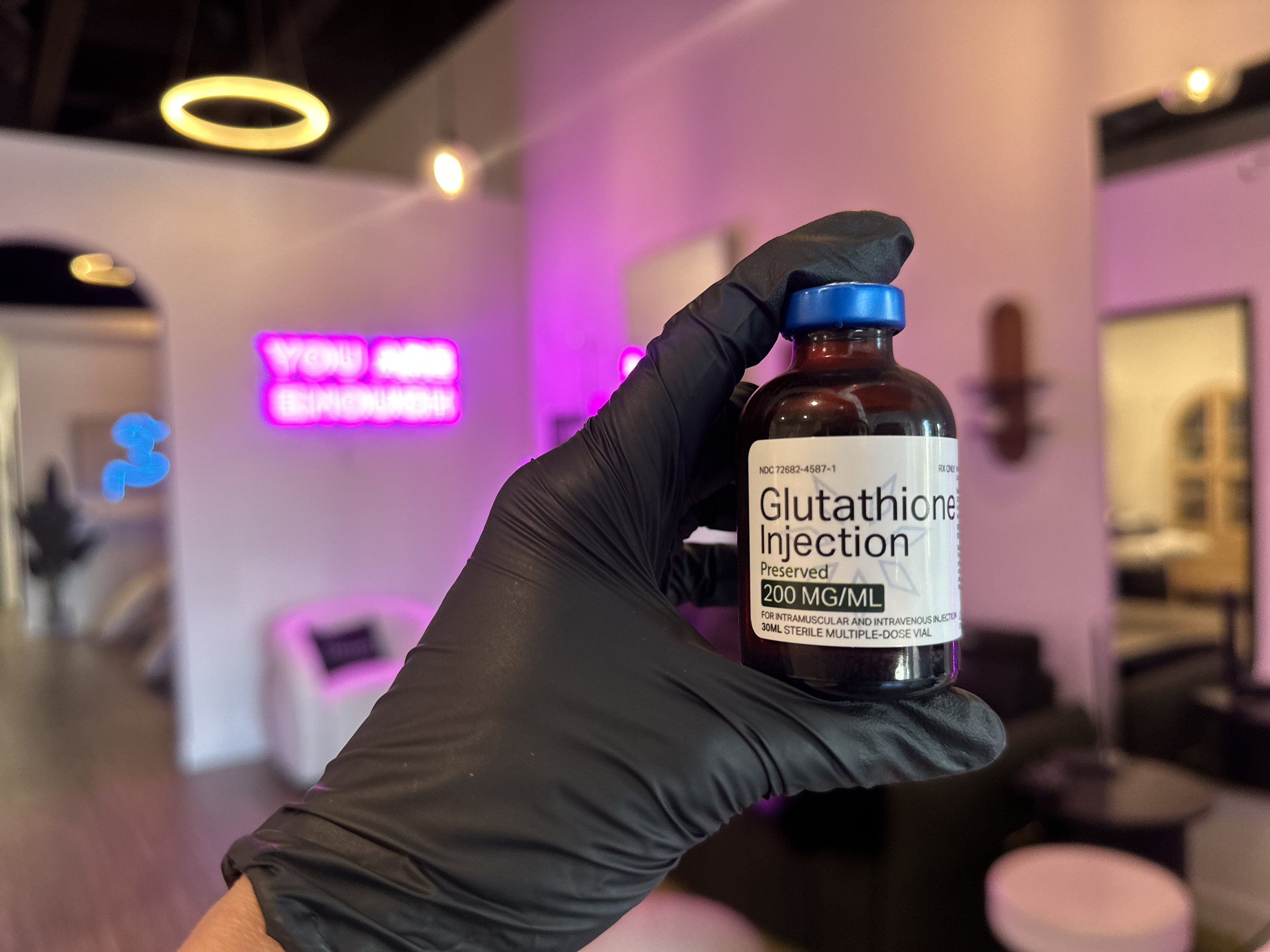
Glutathione Therapy at Euphoria Med Spa
If you've spent any time on social media, listened to a health podcast, or researched longevity and wellness, you've probably heard about glutathione.
Often referred to as the "master antioxidant," glutathione has become one of the most talked about molecules in functional medicine, longevity, and regenerative wellness. But unlike many health trends, glutathione has been studied for decades and plays an essential role in how your body protects itself from oxidative stress and supports normal cellular function.
At Euphoria Medspa & Wellness in Rancho Cucamonga, we use glutathione as part of a personalized wellness approach not as a miracle cure, but as one tool that may help support overall health in appropriate patients.
What Is Glutathione?
Glutathione is a naturally occurring antioxidant made from three amino acids:
Glutamine
Glycine
Cysteine
Every cell in your body produces glutathione, with especially high concentrations found in the liver, where it helps support the body's natural detoxification processes.
Its primary job is to protect cells from oxidative stress by neutralizing unstable molecules called free radicals. Oxidative stress is associated with normal aging and has been linked to a variety of chronic health conditions.
Because glutathione is involved in hundreds of cellular reactions, researchers continue to study its role in healthy aging, metabolism, immune function, and overall wellness.
Why Is Glutathione Called the "Master Antioxidant"?
Unlike many antioxidants that work independently, glutathione helps recycle and regenerate other important antioxidants, including vitamins C and E.
It also supports enzymes involved in antioxidant defense, making it a key part of the body's natural protective systems.
Healthy glutathione levels contribute to your body's ability to respond to everyday environmental stressors such as pollution, UV exposure, poor sleep, intense exercise, and normal metabolic processes.
Potential Benefits of Glutathione
Research suggests glutathione plays an important role in several aspects of health.
Supports the Body's Natural Detoxification Processes
Your liver is your body's primary detoxification organ.
Glutathione helps support normal liver function by participating in Phase II detoxification, where certain compounds are transformed into forms that can be more easily eliminated through urine or bile.
It's important to note that glutathione does not "flush toxins" out of the body overnight. Instead, it supports the body's own natural detoxification pathways.
Helps Protect Cells From Oxidative Stress
Every day, your body is exposed to oxidative stress from:
Sun exposure
Air pollution
Smoking
Alcohol
Chronic stress
Poor diet
Intense exercise
Glutathione helps neutralize free radicals, supporting healthy cellular function.
Supports Healthy Aging
As we age, natural glutathione production tends to decline.
Lower glutathione levels have been associated with increased oxidative stress, which is why researchers continue studying glutathione in the fields of longevity and healthy aging.
Supporting your body's antioxidant systems through healthy lifestyle habits may contribute to healthier aging over time.
Supports Immune Function
Immune cells rely on adequate glutathione to function normally.
Although glutathione is not a treatment for infections or immune diseases, maintaining healthy antioxidant defenses may help support normal immune function as part of an overall healthy lifestyle.
Supports Skin Health
One reason glutathione has gained popularity in aesthetics is its role in protecting skin from oxidative stress.
Healthy glutathione levels may help support:
A brighter looking complexion
A more even skin tone
Protection against environmental damage
Healthy collagen support
While glutathione is often marketed online as a "skin whitening" treatment, these claims are frequently exaggerated. At Euphoria Medspa & Wellness, our goal is healthy, radiant skin not unrealistic promises.
What Causes Low Glutathione Levels?
Several factors may contribute to decreased glutathione production, including:
Aging
Chronic stress
Poor nutrition
Smoking
Excess alcohol
Environmental toxin exposure
Chronic illness
Poor sleep
Certain medications
Supporting overall health through nutrition, sleep, movement, and stress management remains the foundation of maintaining healthy antioxidant function.
How Can You Support Healthy Glutathione Levels?
There are several ways to support your body's natural glutathione production:
Eat Sulfur Rich Foods
Foods such as:
Broccoli
Brussels sprouts
Garlic
Onions
Cauliflower
Kale
provide nutrients involved in glutathione synthesis.
Prioritize Quality Protein
Because glutathione is made from amino acids, adequate protein intake is essential.
Exercise Regularly
Moderate exercise has been shown to support the body's natural antioxidant defenses.
Get Adequate Sleep
Sleep is one of the most overlooked factors influencing recovery and overall health.
Reduce Excessive Alcohol Intake
Heavy alcohol use can increase oxidative stress and reduce glutathione availability.
What About Glutathione IV Therapy?
Some people choose glutathione IV therapy because intravenous administration bypasses digestion and delivers glutathione directly into the bloodstream.
At Euphoria Medspa & Wellness, glutathione may be incorporated into personalized IV therapy protocols for appropriate patients based on their health goals and medical history.
Every patient is different, which is why we begin with a consultation to determine whether IV therapy is an appropriate option.
Is Glutathione Right for Everyone?
Not necessarily.
While glutathione is generally well tolerated for many people, the best approach depends on your individual health history, medications, and goals.
That's why personalized care matters.
Rather than recommending the same protocol for everyone, we take time to understand your overall wellness before making recommendations.
Why Choose Euphoria Medspa & Wellness?
At Euphoria Medspa & Wellness, we combine advanced wellness therapies with evidence informed care.
Our providers focus on identifying opportunities to support overall health through personalized wellness plans that may include:
IV Hydration Therapy
Glutathione IV Therapy
Functional Wellness Consultations
Advanced Biomarker Testing
Nutrition and lifestyle guidance
Memberships designed to support long-term wellness
We believe that true wellness comes from supporting the body as a whole not chasing quick fixes.
Ready to Learn More?
If you're interested in learning whether glutathione IV therapy may be appropriate for your health and wellness goals, our team is here to help.
Schedule a consultation with Euphoria Medspa & Wellness in Rancho Cucamonga to receive a personalized assessment and recommendations tailored to your individual needs.
Frequently Asked Questions
What does glutathione do?
Glutathione is a naturally produced antioxidant that helps protect cells from oxidative stress and supports the body's normal detoxification processes.
Is glutathione good for your skin?
Glutathione helps protect skin from oxidative stress and may support a brighter, healthier-looking complexion as part of an overall skincare and wellness plan.
Can glutathione help with detox?
Glutathione supports the liver's natural detoxification pathways. It does not "cleanse" the body on its own but plays an important role in normal detoxification processes.
Who may benefit from glutathione IV therapy?
People interested in antioxidant support, recovery, healthy aging, or overall wellness may ask about glutathione IV therapy. The best way to determine whether it's appropriate is through an individualized consultation.
Scientific References
Wu G, Fang YZ, Yang S, Lupton JR, Turner ND. Glutathione metabolism and its implications for health. Journal of Nutrition. 2004;134(3):489–492. https://pubmed.ncbi.nlm.nih.gov/14988435/
Pizzorno J. Glutathione! Integrative Medicine (Encinitas). 2014;13(1):8-12.
https://pmc.ncbi.nlm.nih.gov/articles/PMC4684116/ Lu SC. Regulation of Glutathione Synthesis. Molecular Aspects of Medicine. 2009. Official NIH PMC Link: https://pmc.ncbi.nlm.nih.gov/articles/PMC3549305/
Forman HJ, Zhang H, Rinna A. Glutathione: Overview of its protective roles, measurement, and biosynthesis. Molecular Aspects of Medicine. https://pubmed.ncbi.nlm.nih.gov/18796312/
Ballatori N, Krance SM, Notenboom S, et al. Glutathione Dysregulation and the Etiology and Progression of Human Diseases.Biological Chemistry. https://pmc.ncbi.nlm.nih.gov/articles/PMC6522248/
Minich DM, Brown BI. A Review of Dietary (Phyto)Nutrients for Glutathione Support. Nutrients. 2019. https://pubmed.ncbi.nlm.nih.gov/30704036/
Sies H. Oxidative Stress: A Concept in Redox Biology and Medicine.
Redox Biology. https://pubmed.ncbi.nlm.nih.gov/19715761/Zhang H, Forman HJ. Glutathione Synthesis and Its Role in Redox Signaling. Free Radical Biology & Medicine. https://pubmed.ncbi.nlm.nih.gov/16962906/
Aldini G, Altomare A, Baron G, et al. N-Acetylcysteine as an Antioxidant and Disulfide Breaking Agent. https://pubmed.ncbi.nlm.nih.gov/25544370/
Cacciatore I, Baldassarre L, Fornasari E, et al. How to Increase Cellular Glutathione. Antioxidants. 2023. https://pubmed.ncbi.nlm.nih.gov/37237960/
